
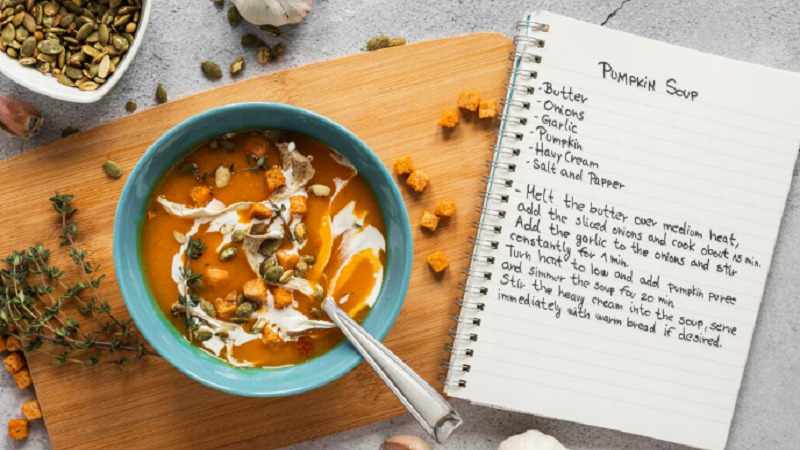
Cooking is more than just preparing food—it is an art, a daily necessity, and for many, a source of joy and comfort. Whether you are a beginner stepping into the kitchen for the first time or someone looking to refine your skills, having a clear and simple guide can make all the difference. This recipe guide heartumental is designed to help you understand the basics of cooking, build confidence, and create delicious meals with ease.
Introduction to Cooking
Cooking involves combining ingredients, applying heat, and transforming raw items into flavorful dishes. While it may seem complex at first, the truth is that cooking becomes easier with practice and understanding.
This guide focuses on:
- Simple techniques
- Basic ingredients
- Easy-to-follow steps
- Practical kitchen tips
By following this recipe guide heartumental, you can gradually improve your skills and enjoy the process.
Essential Kitchen Tools
Before you begin cooking, it is important to have the right tools. You do not need a fancy kitchen—just a few essentials:
Basic Tools
- Knife (sharp and reliable)
- Cutting board
- Frying pan
- Saucepan
- Mixing bowls
- Measuring cups and spoons
- Spatula and wooden spoon
Optional Tools
- Blender
- Oven
- Food processor
Having these tools will make your cooking process smoother and more efficient.
Understanding Ingredients
Every recipe starts with ingredients. Knowing how to choose and use them properly is key.
Fresh Ingredients
- Vegetables should be firm and colorful
- Fruits should be ripe but not overly soft
- Meat should be fresh and properly stored
Pantry Staples
- Rice
- Pasta
- Flour
- Cooking oil
- Salt and spices
These basics allow you to prepare a wide variety of meals without stress.
Basic Cooking Techniques
Learning a few core techniques will help you cook almost anything.
1. Boiling
Used for pasta, rice, and vegetables.
- Bring water to a boil
- Add ingredients
- Cook until tender
2. Frying
Adds flavor and texture.
- Heat oil in a pan
- Add ingredients
- Cook until golden
3. Baking
Perfect for breads and desserts.
- Preheat oven
- Follow temperature guidelines
- Bake until done
4. Grilling
Great for meats and vegetables.
- Use high heat
- Cook evenly on both sides
Mastering these techniques is a major step in following this recipe guide heartumental effectively.
Step-by-Step Recipe Structure
A good recipe should always be clear and easy to follow.
Standard Format
- Ingredients list
- Preparation steps
- Cooking instructions
- Serving suggestions
Example Simple Recipe: Vegetable Stir-Fry
Ingredients:
- Mixed vegetables
- Oil
- Garlic
- Salt and pepper
Steps:
- Heat oil in a pan
- Add garlic and sauté
- Add vegetables
- Cook for 5–7 minutes
- Season and serve
This simple structure can be applied to almost any dish.
Tips for Better Cooking
Cooking becomes easier with small improvements.
Preparation Tips
- Always read the recipe before starting
- Prepare ingredients in advance
- Keep your workspace clean
Cooking Tips
- Do not overcrowd the pan
- Taste your food while cooking
- Adjust seasoning gradually
Time Management
- Start with dishes that take longer
- Use waiting time efficiently
- Keep track of cooking times
Following these tips will help you make the most of this recipe guide heartumental.
Healthy Cooking Practices
Healthy cooking is not complicated. Small changes can make a big difference.
Use Less Oil
- Choose healthy oils like olive oil
- Avoid deep frying frequently
Add More Vegetables
- Include vegetables in every meal
- Try different colors and types
Control Portions
- Avoid overeating
- Serve balanced portions
Healthy cooking ensures both good taste and long-term well-being.
Common Cooking Mistakes to Avoid
Everyone makes mistakes, especially in the beginning. Learning from them is important.
Overcooking
- Leads to dry or burnt food
- Always check cooking times
Underseasoning
- Food may taste bland
- Add salt and spices carefully
Skipping Steps
- Missing steps can affect results
- Follow instructions properly
Avoiding these mistakes will improve your cooking experience.
Building Confidence in the Kitchen
Confidence comes with practice. Start simple and gradually try new recipes.
Beginner Approach
- Start with easy recipes
- Repeat dishes to improve
Intermediate Level
- Experiment with flavors
- Try new ingredients
Advanced Cooking
- Create your own recipes
- Combine different cuisines
This journey is exactly what the recipe guide heartumental aims to support.
Meal Planning Basics
Planning meals can save time and reduce stress.
Weekly Planning
- Decide on meals in advance
- Make a shopping list
Budget-Friendly Cooking
- Buy ingredients in bulk
- Use leftovers creatively
Time-Saving Ideas
- Prepare ingredients ahead
- Cook in batches
Meal planning helps maintain consistency and efficiency in cooking.
Importance of Presentation
Food presentation matters more than you think.
Simple Tips
- Use clean plates
- Add color contrast
- Arrange food neatly
Even a simple dish can look appealing with proper presentation.
Cooking for Different Occasions
Different situations require different approaches.
Daily Meals
- Keep it simple
- Focus on nutrition
Family Gatherings
- Cook larger portions
- Choose crowd-friendly dishes
Special Occasions
- Try unique recipes
- Focus on presentation
Adapting your cooking style is part of becoming a skilled cook.
Conclusion
Cooking is a skill that anyone can learn. With the right approach, tools, and mindset, you can prepare meals that are both delicious and satisfying. This recipe guide heartumental provides a clear path for beginners and a helpful refresher for experienced cooks.
Remember:
- Start simple
- Practice regularly
- Enjoy the process
Over time, cooking will become second nature, and you will find yourself experimenting, creating, and enjoying food like never before.