
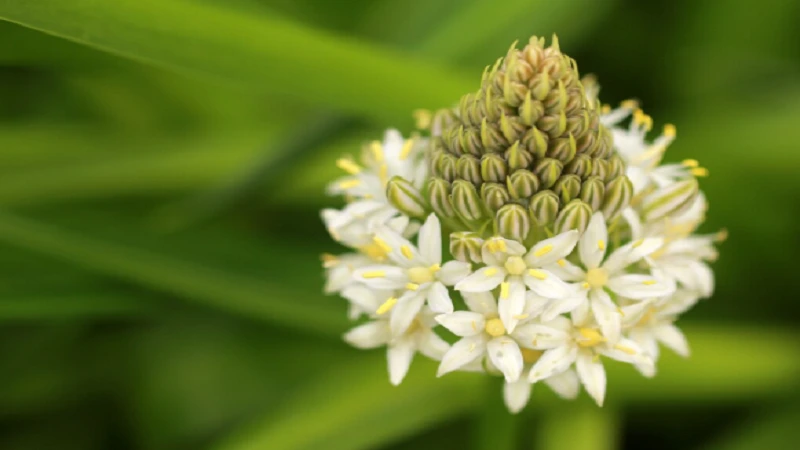
The boylecheloid flower is gaining attention among plant lovers and gardening enthusiasts for its unique appearance and interesting growth characteristics. While it is not as widely known as roses or tulips, the boylecheloid flower has started to attract interest because of its beauty and adaptability in different garden environments.
In this guide, you will learn everything about the boylecheloid flower, including its characteristics, growing requirements, care tips, and practical steps to successfully cultivate it in your garden. Whether you are a beginner or an experienced gardener, this article will help you understand how to grow and maintain this fascinating plant.
What Is the Boylecheloid Flower?
The boylecheloid flower is considered a decorative flowering plant known for its delicate petals and vibrant color variations. Gardeners appreciate it for its elegant structure and its ability to enhance the visual appeal of gardens, balconies, and indoor plant collections.
Although information about the plant is still limited compared to more common flowers, many plant enthusiasts believe the boylecheloid flower belongs to a group of ornamental flowering plants that thrive in well-balanced soil and moderate climates.
Key characteristics include:
-
Soft and layered petals
-
Attractive color shades ranging from light pink to deep violet
-
Moderate plant height suitable for home gardens
-
Seasonal blooming pattern
Because of its ornamental value, the boylecheloid flower is often used for garden decoration, floral arrangements, and landscaping projects.
Origins and Natural Habitat
The exact origin of the boylecheloid flower is still debated among plant enthusiasts. However, many believe that plants in this category generally grow best in temperate climates where sunlight and moisture remain balanced.
Typical environments where similar flowering plants thrive include:
-
Mild woodland areas
-
Garden beds with partial sunlight
-
Moist but well-drained soil conditions
Understanding the natural environment of the boylecheloid flower helps gardeners recreate the right growing conditions at home.
Benefits of Growing Boylecheloid Flower
Planting the boylecheloid flower offers several benefits for gardeners and homeowners.
1. Enhances Garden Beauty
The elegant structure and colorful blooms can transform an ordinary garden into a visually appealing space.
2. Attracts Pollinators
Flowers like the boylecheloid flower often attract beneficial insects such as bees and butterflies, which help pollinate other plants.
3. Easy to Maintain
With proper soil and watering routines, this flower can grow successfully without demanding intensive care.
4. Suitable for Small Spaces
The plant’s moderate size makes it ideal for balconies, patios, and container gardening.
Ideal Growing Conditions for Boylecheloid Flower
Before planting the boylecheloid flower, it is important to understand the environment it needs to grow properly.
Sunlight
Most flowering plants grow best with 4–6 hours of sunlight per day. The boylecheloid flower typically performs well in partial sunlight or filtered light.
Soil
Healthy soil plays a major role in plant growth.
Best soil conditions include:
-
Well-drained soil
-
Rich in organic matter
-
Slightly neutral pH level
Adding compost or natural fertilizer can improve soil quality for the boylecheloid flower.
Temperature
Moderate temperatures are ideal for growth. Extremely hot or cold conditions may affect blooming and plant health.
Practical Steps to Grow Boylecheloid Flower
If you want to grow the boylecheloid flower successfully, follow these practical steps.
Step 1: Choose the Right Planting Location
Select a location that receives moderate sunlight and has good air circulation. Avoid areas where water collects after rain.
Step 2: Prepare the Soil
Prepare the planting area by:
-
Loosening the soil with a garden tool
-
Removing weeds and stones
-
Mixing compost or organic fertilizer
Healthy soil gives the boylecheloid flower a strong foundation for growth.
Step 3: Plant the Seeds or Seedlings
Plant seeds or small seedlings carefully in the soil.
Basic guidelines:
-
Plant about 1–2 inches deep
-
Maintain 6–12 inches spacing between plants
-
Cover gently with soil
This spacing allows each boylecheloid flower plant enough room to grow.
Step 4: Water Properly
Water the plant immediately after planting.
Regular watering tips:
-
Keep the soil slightly moist
-
Avoid overwatering
-
Water early in the morning
Consistent moisture helps the boylecheloid flower establish strong roots. Step 5: Provide Nutrients
Plants require nutrients to grow and bloom.
You can support growth by:
-
Adding organic compost
-
Using balanced plant fertilizer
-
Feeding the plant once every few weeks during the growing season
Boylecheloid Flower Care Tips
Proper care ensures the boylecheloid flower remains healthy and produces beautiful blooms.
Pruning
Remove dead leaves and faded flowers regularly. This helps the plant focus energy on producing new blooms.
Pest Control
Common garden pests may occasionally affect plants.
Natural solutions include:
-
Neem oil spray
-
Mild soap solution
-
Regular plant inspection
Early detection helps prevent damage to the boylecheloid flower.
Mulching
Adding mulch around the plant base helps:
-
Retain soil moisture
-
Reduce weeds
-
Maintain soil temperature
Mulching is especially helpful during hot seasons.
Common Problems and Solutions
Even with proper care, gardeners may face some challenges when growing the boylecheloid flower.
Yellow Leaves
Possible causes:
-
Overwatering
-
Poor drainage
-
Nutrient deficiency
Solution: Improve soil drainage and adjust watering schedule.
Weak Growth
Plants may grow slowly due to insufficient sunlight or poor soil quality.
Solution: Move the plant to a brighter location and enrich the soil with organic matter.
Lack of Flowers
If the boylecheloid flower does not bloom, it may need more nutrients or sunlight.
Solution: Provide balanced fertilizer and ensure sufficient light exposure.
Landscaping Ideas Using Boylecheloid Flower
The boylecheloid flower can be used creatively in different landscaping designs.
Garden Borders
Planting these flowers along pathways or garden edges creates an attractive natural border.
Container Gardening
The plant grows well in pots, making it suitable for balconies and small patios.
Mixed Flower Beds
Combining the boylecheloid flower with other seasonal flowers can create colorful and dynamic garden displays.
Tips for Beginners
If you are new to gardening, follow these simple tips when growing the boylecheloid flower:
-
Start with healthy seedlings
-
Use nutrient-rich soil
-
Water consistently but not excessively
-
Monitor plant health regularly
-
Provide proper sunlight
Small improvements in care can significantly increase the chances of successful growth.
Environmental Importance of Flowering Plants
Growing flowering plants, such as the boylecheloid flower, benefits the environment.
Benefits include:
-
Supporting pollinator populations
-
Improving garden biodiversity
-
Enhancing air quality in green spaces
Gardening not only beautifies your surroundings but also helps maintain ecological balance.
Conclusion
The boylecheloid flower is an appealing ornamental plant that can add color and elegance to gardens, balconies, and landscapes. With the right combination of sunlight, well-prepared soil, and consistent care, gardeners can successfully cultivate this beautiful flower.
By following practical planting steps, maintaining proper watering routines, and protecting the plant from pests, even beginners can enjoy healthy blooms throughout the growing season. As interest in unique and decorative plants continues to grow, the boylecheloid flower may become a popular choice among gardening enthusiasts looking to add something special to their outdoor spaces.